Mold After a Wet Basement: Why It Keeps Coming Back in Maryland Homes
Wiping down mold without finding where the moisture is coming from is a temporary fix at best.
September 23, 2026 · 3 min read
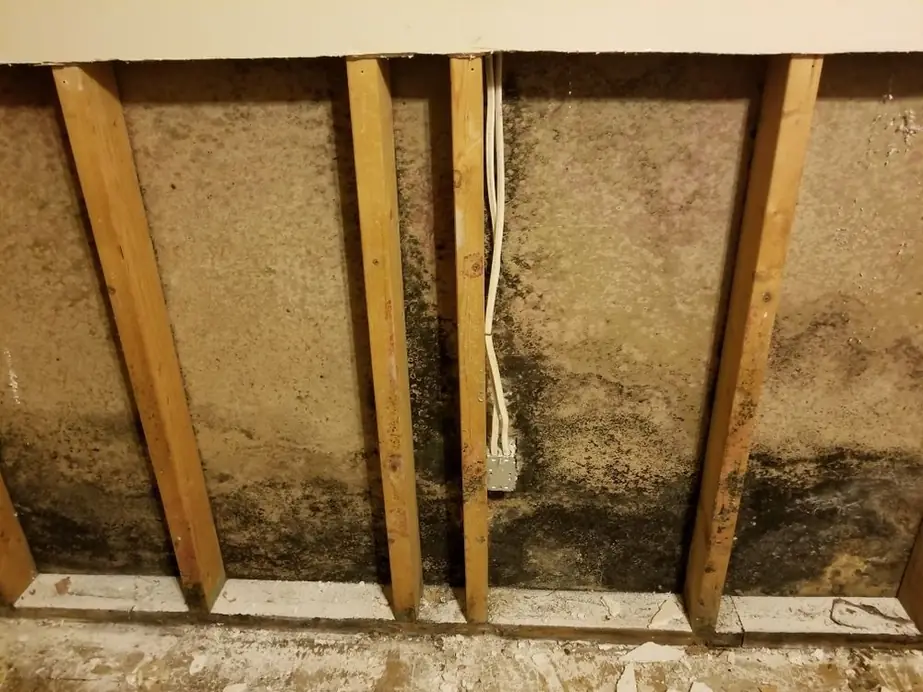
A wet basement is one of the most common calls Duraclean Services gets from homeowners across Harford County, and mold is almost always part of that conversation. Maryland's humid summers and heavy seasonal rain make basements a natural spot for moisture to collect, and once mold shows up, a lot of homeowners try to handle it themselves with bleach and a scrub brush. It often looks like it worked, for a while. Then it comes back, usually in the same spot, sometimes worse than before.
Why Wiping It Down Isn't Enough
Surface cleaning removes visible mold, but it doesn't do anything about the conditions that let it grow in the first place. Mold needs moisture and an organic surface to feed on, and a damp basement wall or a section of carpet that stays humid provides both, continuously. According to guidance widely cited by home improvement sources, mold can begin to grow on damp surfaces within 24 to 48 hours of moisture exposure, which means a basement that stays even slightly damp between rainstorms is essentially reseeding itself before the last cleanup has fully dried.
Finding the Real Source
The moisture behind a recurring mold problem isn't always obvious. It might be a small crack in the foundation letting groundwater seep in after heavy rain. It might be condensation forming on a cold pipe or duct that nobody's noticed. It could be a grading issue outside, where water pools against the foundation instead of draining away from the house. Basement mold that keeps coming back almost always means the moisture source was never actually identified and addressed, only the mold itself was treated, and treating the mold without treating the source is a cycle that repeats every few months.
- A foundation crack or gap around a window well letting groundwater in after rain
- Condensation on a cold water pipe, duct, or sump pump line
- Grading or downspouts directing rainwater toward the foundation instead of away from it
- A sump pump that's undersized, failing, or without a battery backup for power outages
- High indoor humidity with no dehumidifier running through the summer months
Containment Matters More Than People Think
When mold remediation is done properly, the work area gets sealed off from the rest of the house before removal starts. This keeps mold spores from spreading into the air handling system or other rooms while contaminated materials, drywall, insulation, carpet, whatever's affected, get removed and disposed of safely. Skipping containment during a cleanup, even a well intentioned one, can actually spread a small, contained problem into a bigger one across the house, particularly if the basement shares return air ducting with the rest of the home.
Testing After the Work Is Done
Post remediation testing gives a homeowner an objective answer, rather than a visual guess, about whether the mold is actually gone and the moisture problem is under control. It's a step that's easy to skip to save time, but it's also the step that tells you whether the job actually worked, rather than leaving you to find out later when the same stain shows up on the same wall again in a few months. It also creates a record that's useful if the basement is ever part of a home sale down the road, since a buyer's inspector will often ask about any past mold work.
Why This Matters More in a Maryland Basement
Central Maryland's climate makes this a bigger issue than it might be in a drier region. Long, humid summers keep ambient moisture levels high for months at a stretch, and heavy seasonal storms send a lot of water toward foundations in a short amount of time. A basement in Forest Hill, Bel Air, or anywhere nearby doesn't get much of a break between wet seasons, which is exactly why a moisture source that goes unaddressed keeps feeding mold growth year after year instead of drying out and stopping on its own.
What Duraclean Services Does Differently
Duraclean Services offers free mold inspections to homeowners across Forest Hill, Bel Air, and the rest of Central Maryland, and every job starts with finding the moisture source, not just the visible mold. The crew is IICRC certified and follows a full containment, removal, and post remediation testing process, backed by a two year warranty on the restoration work. If mold keeps showing up in your basement no matter how many times you've cleaned it, that's usually a sign the source was never found. Call (443) 437-4347 and get a proper inspection before you spend another weekend scrubbing a wall that's only going to need it again.
Duraclean Services, (443) 437-4347
Call (443) 437-4347More articles
The First Hours After Water Damage: What to Do Before Help Arrives
What you do in the first hour after a pipe bursts or a basement floods can matter almost as much as who you call next.
Three Problems That Get Worse When Water Damage Is Dried the Wrong Way
A room can look dry on the surface and still be causing damage for weeks after the water is gone.